
The Tetsuren Journal
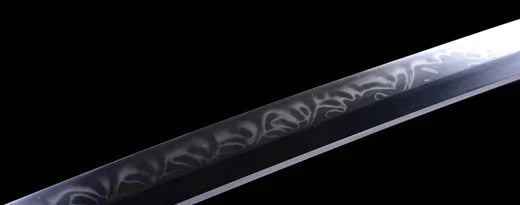
Looking after a katana takes the right kit and a careful routine. Here are the tools you need and a seven-step cleaning method.

The katana is the emblem of Japan. Discover its defining features, its parts and its history, from the Heian period to the 21st century.

A typical katana measures about 100 cm overall. See the three shaku classes, the length of each part and how to choose the right size.

Is Tamahagane the Best Steel for a Katana?
From iron sand to finished blade: how tamahagane is made, what goes into a katana, and whether it truly is the best steel for the job.
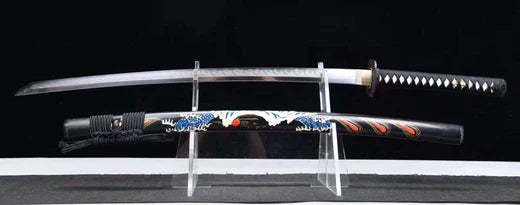
How Much Does a Katana Cost? A Guide to Prices and Types
From display replicas to antique masterpieces, discover what a katana costs, what the different types are, and how to recognise a real, functional blade.
Read moreabout How Much Does a Katana Cost? A Guide to Prices and Types

Japanese Sword Polishing: The Craft and Why It Matters
Polishing reveals the hamon, jihada and jigane of a Japanese blade. Discover the finishes, stones and stages of this specialist craft.
Read moreabout Japanese Sword Polishing: The Craft and Why It Matters
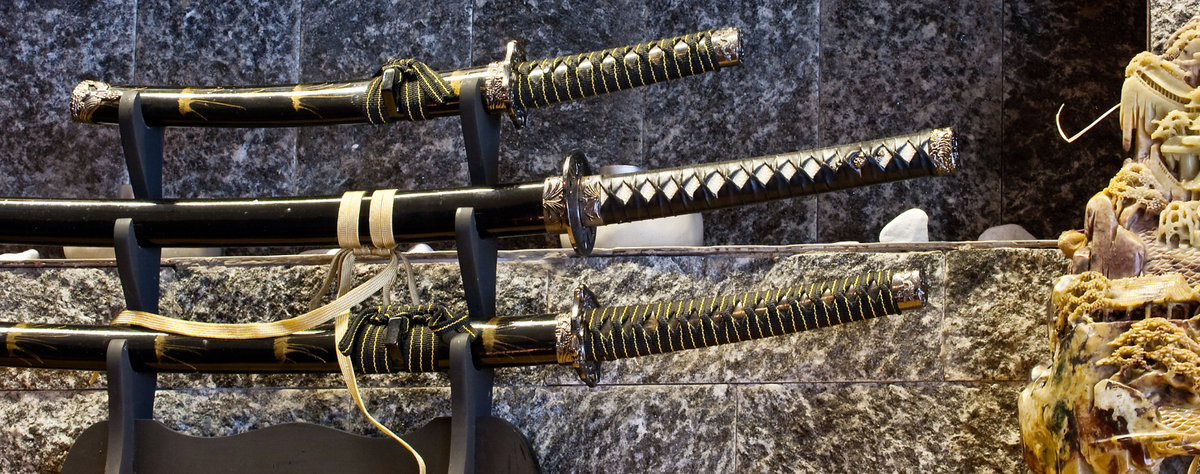
Types of Japanese Swords Used by Samurai Warriors
From the tachi to the tanto, discover the swords and daggers carried by Japan's samurai, with their dates, blade lengths and historical uses.
Read moreabout Types of Japanese Swords Used by Samurai Warriors

The Rituals Associated with Katanas
Purification, naming, the first draw, cleaning: discover the rituals that make the katana a symbol of samurai honour and discipline.
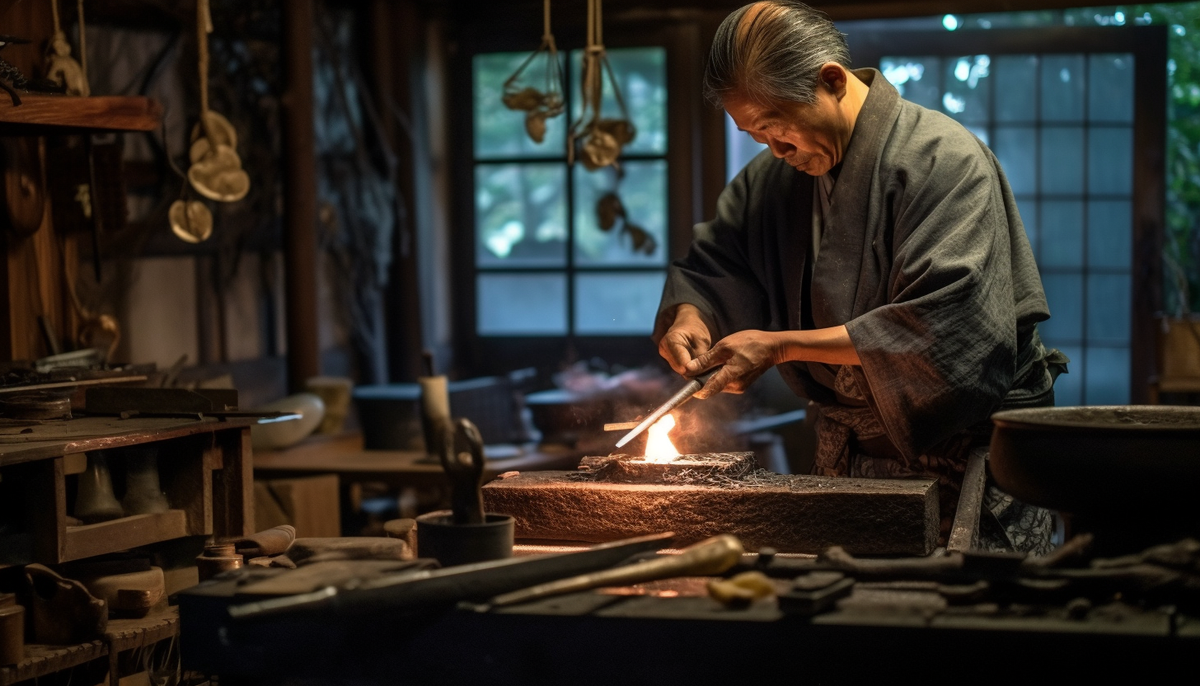
The Materials Used to Make Katanas
From tamahagane steel to ray skin and silk, discover the materials that go into a katana and the role each one plays.